


Choosing the Right OEM Kia Brake Pads for Quiet, Confident Stops in Madison, WI
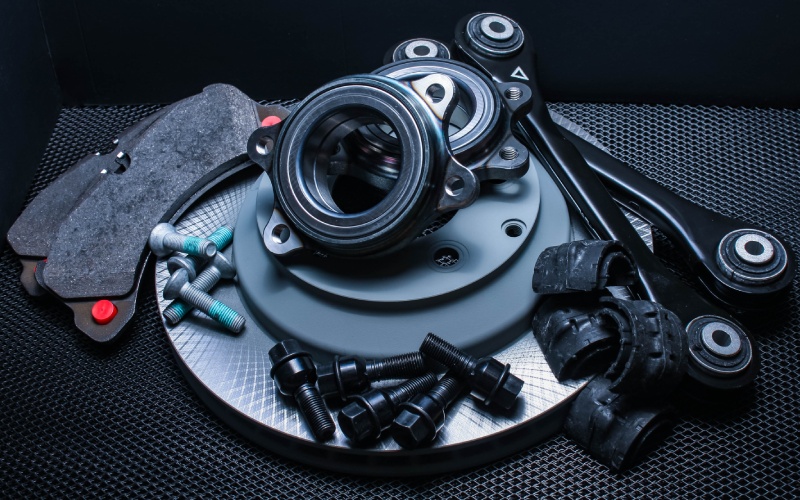
Russ Darrow Kia of Madison – Choosing the Right OEM Kia Brake Pads for Quiet, Confident Stops in Madison, WI
Brakes are the most confidence-inspiring parts on your Kia—until a grinding sound, shudder, or warning light makes every stop feel uncertain. If you drive around Madison, WI, you know how quickly stop-and-go traffic on University Avenue, Allen Boulevard, and the West Beltline can heat up pads and rotors. Choosing the right OEM Kia brake pads, hardware, and matching rotors restores factory stopping power, smooth pedal feel, and peaceful cabin quiet. Here is how to pick the right setup for your Kia and your daily drive.
Why OEM Kia Brake Pads Make Everyday Driving Easier
Original equipment pads are engineered to work with your calipers, rotor metallurgy, and the electronic stability and brake force distribution strategies baked into your Kia. That engineering match matters. The friction material, chamfering, and shims are calibrated to reduce vibration and high-frequency squeal, especially common at low-speed stops around downtown Madison or the Greenway Station area. With OEM pads, you get easier initial bite, consistent friction through the stop, and less pedal effort as the system warms during rush-hour traffic.
Another advantage is predictability. Pairing OEM pads with the correct rotor thickness and vane design helps manage heat at repeated lights and downhill grades near Pheasant Branch. With consistent heat management, you will feel fewer fade moments, better steering stability under braking, and more uniform wear—meaning longer intervals before your next brake job and a smoother ride for your passengers.
Pad Materials Demystified: Ceramic vs. Semi-Metallic
Most modern Kia applications use ceramic-based pads for low noise, low dust, and stable performance across a wide temperature range. For everyday commuting, school drop-offs, and weekend errands, ceramic is an excellent fit. Semi-metallic pads can offer a touch more initial bite and heat tolerance, which may appeal to drivers who tow occasionally with a Telluride or Sorento, or who regularly encounter steeper grades. The trade-off can be more dust and a greater chance of squeal if the hardware is not refreshed. The right call depends on your routes, loads, and expectations—our parts advisors will align the compound with your reality.
Equally important is the pad’s backing plate strength and shim design. OEM plates resist flex under pressure, keeping the pad face parallel to the rotor. Quality multi-layer shims limit vibration transfer into the caliper bracket, the root of many low-speed squeaks. When paired with fresh guide pin lubricant and new abutment clips, OEM pads help your Kia stop straight and quiet on Century Avenue and Park Street alike.
Rotor Choices: Replace, Resurface, or Upgrade?
Fresh pads on deeply grooved or heat-spotted rotors invite noise and pulsation. The safest move is replacing rotors with OEM-spec parts when you install new pads. This ensures correct thickness, runout, and vane pattern for heat control. If your rotors measure well within spec and have even surfaces, resurfacing may be possible—but it is increasingly rare given today’s thinner rotor designs. For owners towing light loads or logging frequent highway miles, choosing a rotor with enhanced corrosion protection is a smart upgrade, especially considering Wisconsin road salt. The result is cleaner hub mating surfaces, less chance of seized fasteners at the next brake job, and preserved ABS tone ring integrity.
Match rotor diameter exactly to your trim. For example, a Sportage with a specific package can require a larger front rotor than base trims, and bolting on the wrong size will reduce pad contact area and alter brake bias. This is where VIN verification pays off—you get the right rotor the first time, so everything torques to spec and runs true.
Hardware, Fluid, and Bedding: The Unsung Heroes of a Quiet Brake Job
Skipping hardware is a common reason a brake job starts squeaking within weeks. Replace abutment clips and pad spreaders, clean and lubricate guide pins with the correct high-temperature grease, and confirm the caliper piston boot is free of tears. For floating calipers, ensure the slide pins are not seized; for fixed designs, check for even piston movement and inspect dust boots for contamination.
- New hardware: Fresh clips minimize pad drag and help prevent tapered wear that causes pull and noise.
- Correct lubricant: Use silicone- or glycol-based caliper grease where specified—never petroleum greases on rubber boots.
- Brake fluid health: Hygroscopic DOT fluid absorbs moisture; periodic exchange preserves pedal firmness and protects ABS valves.
- Torque sequence: Even lug torque prevents rotor distortion that feels like pulsation under light braking.
- Bedding procedure: Controlled stops seat pads to rotors, establishing an even transfer layer for quiet, consistent friction.
Bedding, or burnishing, matters. After installation, perform a series of moderate decelerations from neighborhood speeds without coming to a full stop. Allow light cooldown between cycles. This creates a uniform transfer film on the rotor face, which reduces judder and enhances bite. After bedding, avoid heavy braking until the system fully cools. Your reward is the smooth, confident pedal feel you expect.
Signs you may need more than pads include a steering-wheel vibration during braking (often front-rotor thickness variation), a humming that rises with wheel speed (could be wheel bearings), or a soft pedal despite fresh friction (inspect for air in lines or aging fluid). Catching these early prevents repeat work and restores safety in one visit.
MadisonDriving Realities: Stop-and-Go, Short Trips, and Road Salt
Short city hops around Madison and frequent lights on University Avenue mean your brakes heat up and cool down repeatedly, which can glaze cheaper pad compounds and invite squeal. Add in winter road salt and moisture, and hardware corrosion accelerates. That is why OEM pads, rotors with quality coatings, and complete hardware kits pay off locally. You will notice fewer noises at low speed, more even wear through the season, and less rust ring development on rotor edges after overnight parking.
If your Kia spends time in underground or covered parking, you might also experience surface rust that scrubs away in your first few stops each morning. This is normal, but persistent scraping or a single wheel that stays hot points to a sticking caliper or worn slide pins—problems best solved by replacing the necessary hardware and confirming free movement during installation.
Considering a DIY brake job? Match every component to your VIN, use a torque wrench on caliper bracket bolts and wheel lugs, and bed the system as described. If you prefer expert installation and a 2-year parts warranty on OEM components, coordinate pickup and install times that fit your schedule near Sun Prairie, WI or right here in Madison.
Frequently Asked Questions:
How often should I replace brake pads on my Kia?
It depends on driving style and routes. Many drivers see 30,000 to 60,000 miles, but frequent stop-and-go or hilly routes may shorten that. Listen for squeal indicators and check pad thickness during tire rotations.
Do I need to replace rotors every time I do pads?
Not always, but it is strongly recommended if rotors are below minimum thickness, have deep grooves, or show heat spots. Fresh rotors with new pads reduce noise and pulsation risk.
What pad type is best for quiet operation?
OEM ceramic pads deliver the quietest, cleanest daily performance for most Kia models. They pair well with factory-spec rotors and updated hardware.
Can warped rotors cause ABS to activate early?
Excessive runout or thickness variation can confuse wheel-speed signals and contribute to premature ABS pulsing. Correcting rotor issues restores normal operation.
Will upgraded pads damage my stock rotors?
Using the wrong compound can accelerate rotor wear. Matching OEM-quality pads to factory rotor material helps protect both components over time.
Whether you prefer to install parts yourself or schedule professional service, our team has the OEM components, hardware kits, and guidance you need to stop smoothly and quietly. If you are mapping out a full brake refresh, Russ Darrow Kia of Madison can set you up with the right parts and coordinated installation to make the most of your time and budget.
Ready to restore factory stopping confidence? Reach out to our parts desk for VIN-verified pads, rotors, hardware, and fluid. We will help you choose the right package, outline a proper bedding plan, and coordinate installation if you want hands-free convenience. For daily life in Madison—and quick trips near Sun Prairie, WI—OEM brake parts are a simple way to make every stop feel safer, quieter, and more predictable.


0 comment(s) so far on Choosing the Right OEM Kia Brake Pads for Quiet, Confident Stops in Madison, WI